


Japan Market Entry · June 2026 · 8 min read
Introduction
Entering the Japanese market is one of the most rewarding — and unforgiving — moves a company can make. Japan remains the world’s third-largest economy, and its business community is known for loyalty once trust is established. But that trust must be earned on Japanese terms. If you are actively searching for Japan market entry support, the fact that you are preparing at all puts you ahead of many competitors who arrive underprepared.
Walk the floor of any major B2B trade exhibition in Japan and a pattern becomes immediately visible: the majority of booths from non-Japanese companies display English-only content. Brochures, banners, product descriptions, digital screens — all in English or roughly machine-translated Japanese. Japan has one of the highest literacy rates in the world and strong technical education. Yet in practice, the overwhelming majority of senior business stakeholders prefer to receive information in Japanese — not because they cannot read English, but because Japanese is the language in which they evaluate, compare, and ultimately decide.
This article gives you 5 critical things to address before you spend a single euro, dollar, or yen on exhibitions, advertisements, or outreach campaigns in Japan.
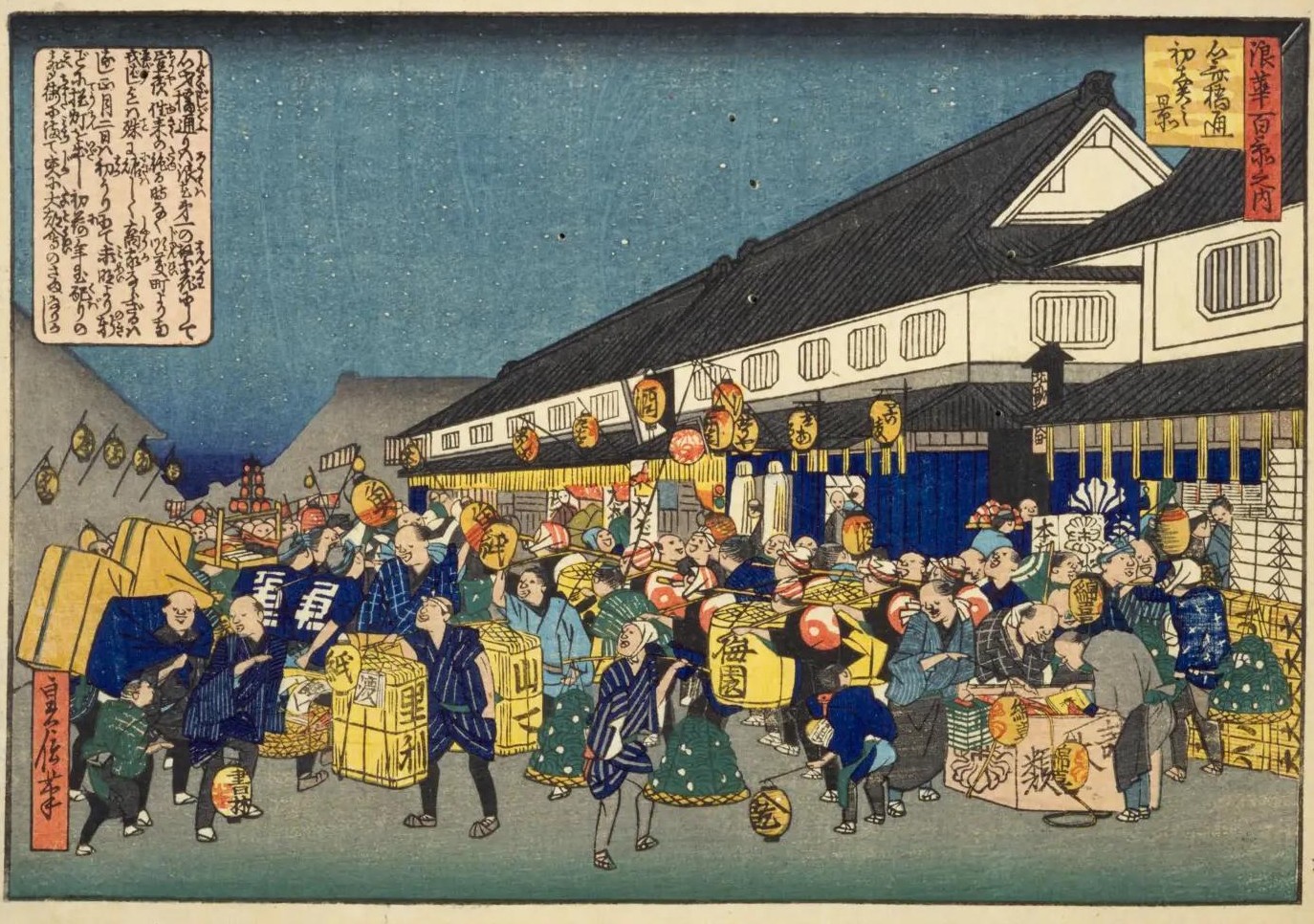
Table of Contents
Localise — Don’t Just Translate
Machine translation has improved dramatically, but it still fails at the level of register and intent. Japanese business communication operates within a carefully calibrated system of formality. A slogan that reads as bold and confident in English may translate into something awkwardly casual, overly aggressive, or simply meaningless in Japanese.
Real-World Pattern
A mid-size manufacturer entered the Japanese market with marketing materials translated using an automated tool. The Japanese text was grammatically correct — and completely flat. It used informal verb endings appropriate between friends, not between supplier and enterprise buyer. The result: visitors at their booth were polite, but the materials were set aside without being read.
Commission professional, native-level business Japanese content — and have it reviewed by someone who understands B2B communication conventions in Japan specifically. The difference between grammatically correct Japanese and business-appropriate Japanese is the difference between being tolerated and being trusted.
What Goes Wrong
- Machine-translated slogans with incorrect register
- Informal verb endings in formal B2B documents
- Casual expressions used in business contexts
- Grammatically correct but meaningless phrasing
What Works Instead
- Native-level business Japanese, written for B2B
- Proofread by a Japan market specialist
- Register calibrated for manufacturing sector buyers
- Content that signals market commitment, not just interest
Understand Who Actually Makes Decisions
Japan market entry support is not only a language challenge — it is an organisational one. Japanese companies operate with a consensus-building process called nemawashi (根回し), where decisions are discussed at multiple levels before being formally approved. Targeting only the C-level contact you met at an event may stall your deal indefinitely.
Your materials, your pitch, and your follow-up communication all need to work for multiple stakeholders across functions — from technical evaluators to procurement to senior management. Each layer may have different information needs and different communication preferences.
C-Level / Directors
Executive Summary
Strategic value proposition, ROI framing, and partnership potential — concise and high-level.
Technical Evaluators
Technical Documentation
Specifications, compliance, integration details — in Japanese, structured and precise.
Procurement
Clear Value Proposition
Pricing structure, delivery terms, and supplier reliability — clear, formal, and verifiable.
Prepare Your Visual Communication for a Japanese Audience
Japanese B2B buyers are highly detail-oriented and visually literate. Infographics, data visualisations, and structured diagrams play a significant role in how technical and commercial information is absorbed. A clean, logically structured visual with Japanese labels will outperform a dense English-language white paper in almost every sales setting.
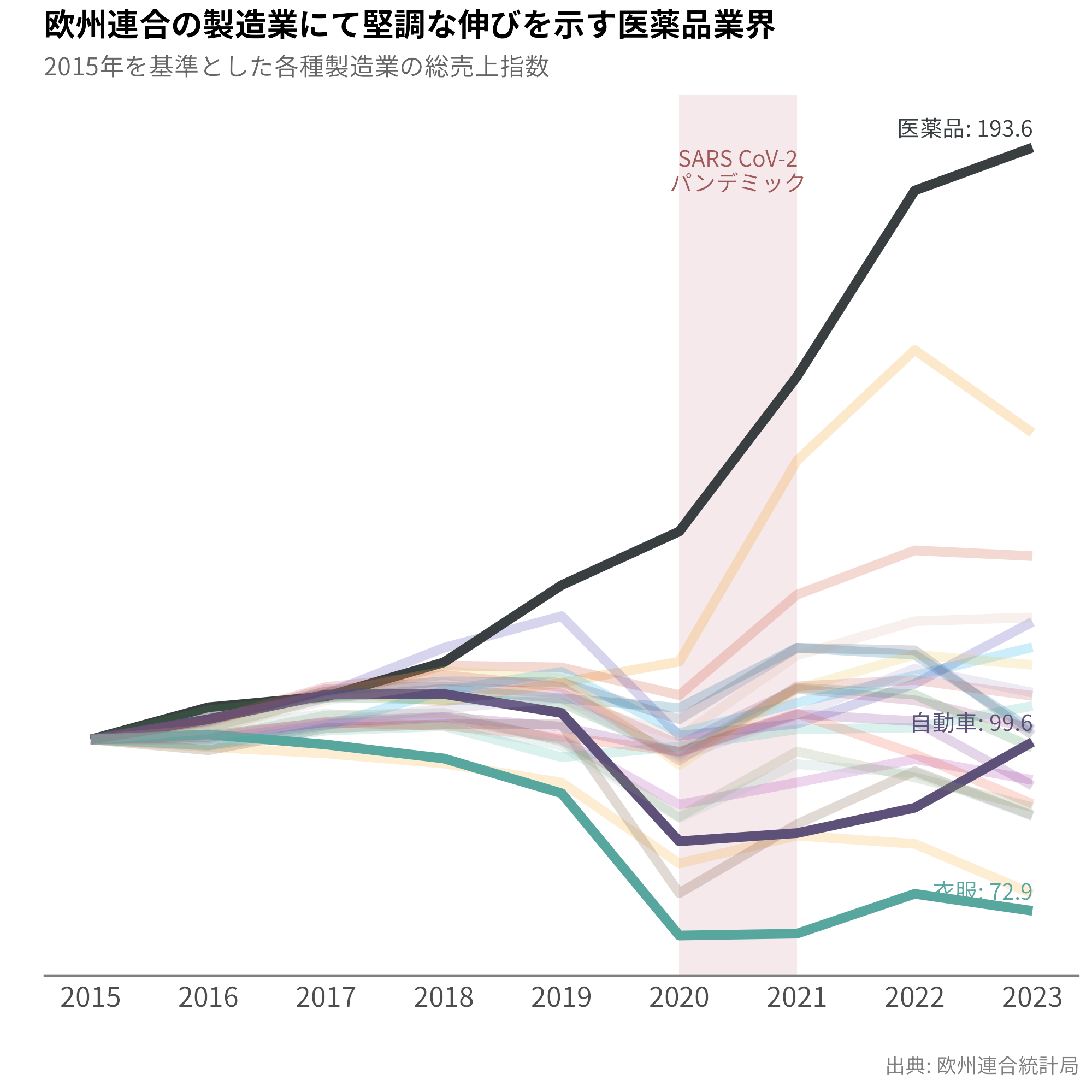
This also applies to digital assets: your website landing page, your exhibition materials, and your product sheets should all be designed with Japanese reading patterns in mind. Japanese readers often scan pages in a structured top-to-bottom sequence and respond well to clearly segmented information blocks.
Visual Checklist Before Your Japan Launch
- All images have Japanese-language captions or alt text
- Data visualisations use Japanese labels and business-standard formatting
- No placeholder machine translation remains in final assets
- Visual hierarchy matches Japanese business communication conventions
- Exhibition materials are ready to hand over — not promised for later
Bridge the Time Zone and Communication Gap
This is one of the most overlooked pain points in Japan market entry support. Japan Standard Time (JST) is UTC+9. For a company based in Central European Summer Time (CEST, UTC+2), that is a 7-hour gap. For US East Coast companies, it is 13–14 hours.
The immediate consequence: slow response times. In Japanese business culture, responsiveness signals respect and seriousness. If a Japanese prospect sends a detailed enquiry on a Tuesday morning in Tokyo and receives a reply two days later — because of weekends, internal routing, and time zone arithmetic — the opportunity may already be cooling.
The Attention Window Is Shorter Than You Think
Japanese professionals return to demanding operational schedules immediately after exhibitions and enquiries. A follow-up that arrives four or more days later reaches someone who no longer clearly remembers the conversation. The attention allocated to a new foreign supplier is narrow — and it does not stay open while you finalise your response plan.
JST Contact Point
Have a contact who operates in or close to Japan Standard Time to handle urgent enquiries in real time.
Priority Windows
Build workflows that prioritise Japan-timezone response windows — not end-of-day in your local office.
Concise Formats
Use structured communication formats that reduce back-and-forth typical of misaligned time zones.
For reference on time zone differences: Japan Standard Time (JST) — timeanddate.com
Work with Japan-Based Specialists, Not Just Agencies
There is a meaningful difference between a translation agency that handles Japanese as one of twenty languages and a specialist who lives and works within the Japanese business environment. The former delivers technically correct output. The latter understands the context in which that output will land.
For companies seeking serious Japan market entry support, working with a specialist based in a compatible time zone — someone who can respond in real time, iterate quickly, and apply lived experience of Japanese business norms — shortens cycles and reduces expensive errors.
“We spent three months going back and forth with a large agency. When we switched to a direct specialist, we had approved materials in three weeks. The quality was measurably better.”
— Marketing Manager, European Software Company
Generic Agency
- Japanese as one of many languages offered
- Long turnaround with multiple review cycles
- No real-time availability in JST
- Output technically correct, contextually flat
Japan Market Specialist
- Embedded in Japanese business culture
- Rapid iteration with direct communication
- Responsive within compatible time zones
- Output calibrated for the specific audience and context
For broader market entry context: JETRO — Japan External Trade Organization market entry guidance
The Cost of Getting It Wrong
Budgets for trade shows, exhibition stands, print runs, and digital campaigns in Japan are not small. A significant spend on materials that fail to communicate — because they are in the wrong language, the wrong register, or the wrong format — does not just waste money. It damages your brand with precisely the audience you most needed to impress.
English-Only Materials
Handing a Japanese manufacturing manager an English-only brochure signals that your Japan entry is aspirational, not operational. Most managers outside international divisions will not read it.
Machine Translation Without Proofing
Grammatically plausible text that uses the wrong register or casual expressions in formal business settings actively undermines trust — often without the sender realising it.
Slow Response Times
Time zone gaps that are not actively managed result in multi-day response delays. In a market where responsiveness signals respect, slow replies close doors that might otherwise stay open.
Poor First Impressions
Japanese buyers have long memories. A poor impression at a trade exhibition can precede your company for years in a relationship-driven market. Getting the content right before you invest in visibility is a commercial necessity.
How SATOM Supports Your Japan Market Entry
SATOM provides business-suited Japanese content services — from translation and copy review through to data visualisation and structured business communication — operating in Central European Summer Time (CEST). That means you can communicate directly with a specialist during your working day, with no intermediary, no agency overhead, and no lag.
①
Japan-Suited Translation & Documents
Business-appropriate Japanese translations of your brochures, one-pagers, and technical documents — written for Japanese manufacturing audiences, not translated from English by machine. Presentations and infographics are produced so your materials are ready to hand over at the booth, not promised for later.
②
Data Visualisation for Japanese Buyers
Structured infographics, product comparison charts, and performance visualisations formatted for Japanese business conventions — with Japanese labels, logical segmentation, and visual hierarchies that match how Japanese buyers process technical information.
③
Direct Specialist Communication in CEST
You communicate directly with a Japan market specialist during your working hours. No agency intermediary, no queuing for a project manager. Fast iteration, real-time input, and content decisions made by someone who understands both your market and the Japanese business context.
Whether you are preparing for a first exhibition in Tokyo, refining an existing Japanese-language website, or building materials for a Japanese sales team, Japan market entry support from SATOM is built around your timeline and your business objectives.
KEY TAKEAWAYS
Key Takeaways
- Localise, don’t just translate — business-appropriate Japanese is the baseline expectation, not a differentiator.
- Map the full decision chain — Japanese buying decisions involve multiple stakeholders; prepare tiered content for each layer.
- Invest in visual communication — structured infographics and data visualisations in Japanese outperform dense English documents at every stage of the sales process.
- Manage the time zone gap actively — slow response times are read as disinterest in a market where responsiveness signals respect.
- Work with Japan market specialists — direct access to contextual expertise shortens cycles and prevents the errors that cost you trust.
Japan is a relationship-driven market where the quality of your preparation is visible long before any contract is on the table. A well-structured approach to Japan market entry support — backed by the right Japanese-language materials, the right visual assets, and a specialist who operates in your time zone — is what separates a productive market entry from an expensive learning exercise.
Related Articles
Japan Market Entry
Japan Market Entry
Further Reading and Sources
- JETRO — Japan External Trade Organization — official market entry guidance, sector data, and investment support for companies entering Japan
- Hofstede Insights — Japan Country Profile — cultural dimension analysis informing communication and decision-making patterns in Japanese business contexts
- Harvard Business Review — Global Business — frameworks on cross-cultural communication, high-context markets, and international BD strategy
- timeanddate.com — Japan Standard Time (JST) — reference for time zone planning and overlap windows with European and North American business hours